
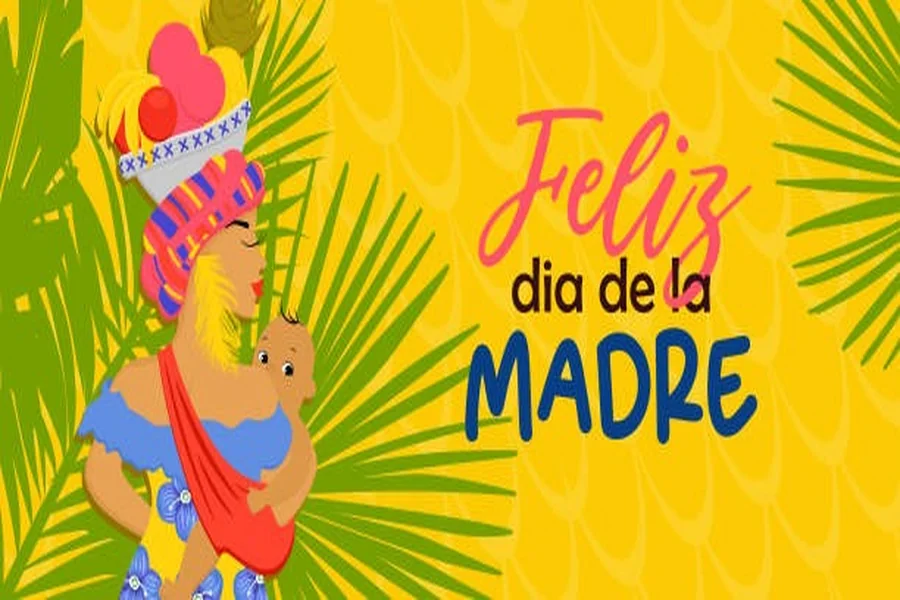
Choosing the right words for a Mothers day message in Spanish requires more than translation. It requires cultural awareness, grammatical care, and emotional precision. Many seek out phrases that are ready-made, but messages are most effective when they are that have been lived. Spanish has the ability to offer warmth in terms of rhythm and direct thanks but effectiveness is dependent on context, relationship and medium. This here guide gives information on how to write with clarity and respect without resorting to clichés.
Know your audience
Writing a Mothers day message in Spanish starts with a simple research question: what does this mother value most, and how do you show you noticed it? There are many options in Spanish to express affection but it is more about relevance than lots of flowery language. A short message that identifies one specific sacrifice, one learned habit, or one shared memory weaves into its tapestry much better than a heartfelt but generic compliment. Mobile readers skim so front-load gratitude then add a piece of information that helps to substantiate it and end with a peaceful promise of care.
Tu or usted
Before you draft a Mothers day message in Spanish, decide whether you will use tu or usted. This is not only grammar; it expresses intimacy, respect, and, at times, even generational distance between people. Many families use tu with mama but usted with a mother-in-law or an older relative, especially in more formal households. If you don’t know then listen to the way she talks to you and match that register. Nothing in the whole note is rushed or translated so the message does not feel like a translation or is rushed. In time of doubt, you may select one or the other one form that is more respectful and soften it with your warmth.
Cultural nuance
In Spanish, the rhythm and repetition of expressing warmth often overemphasize words that represent emotion. A good thing can be to measure carino in a yoke restraint any such thing being, and in the family of inferior style. Verbals in the communication of respect without exaggeration can be mentioning everyday labor, such as rides, meals, or late-night advice. Also take into consideration regional vocabulary as mama, mami and madre have different weights. If you are writing with cross-cultural experience try to use the most neutral word and let the specific memory do the work. One of the things that reading on your phone once makes clear is what is heavy or vague.
Message structure
An effective Mothers day message in Spanish usually follows a clear arc: greeting, gratitude, evidence, and closing. The greeting creates the atmosphere such as “Feliz Dia de las Madres” or a more tender “Feliz dia, mama.” There should be explicit gratitude (using words such as agradecer or valorar). Evidence means one sentence based on something concerning the thanks that was actually true, like a lesson she taught you. Close with a line which is forward looking and summarizes you care for her time as well as your feelings. This structure helps guide the reader in the right direction, even if the message is only three sentences.
Natural translation
Literal translation is the fastest way to make a Mothers day message in Spanish sound stiff. English patterns such as “you mean the world to me” can work but they often require Spanish wording that is used in how people actually speak. Instead of going after perfect equivalence, go for simple verb-forming sentences: querer, cuidar, acompanar, aprender. These verbs are adorned with no meaning. While you use adjectives, make sure you teach them to specific, for example: pacientes, valientes, and join them to an action that is also observed. If you are a bilingual writer, do not flashy the registers in one and the same clause.
Concrete memories
Specificity is what separates a Mothers day message in Spanish from a template. Pick one scene and describe it using sensory, even give a brief description: How her keys sounded at night, the way she smelled, the way she is thinking before giving advice. These sorts of details provide credibility because they are difficult to fake. If your relationship is complicated, you can still be honest by thanking her for one real contribution, while avoiding grand claims. Precision saves sincerity and avoiding an emotional spread. It is also a way of making even short messages deliberately written.
Beyond biological moms
Not every note for Mother’s Day is for a biological mother and it is easy in Spanish to honor a caregiving role without any awkwardness. You may name a family member such as a grandma, aunt, stepmother, or mentor by writing what relationship “was the source of care” and also describing what care that family member gave. Respect is often expressed in verbs of support not praise. If the person receiving the message is somebody whom he or she wants to be very formal with, use a name or name plus title, and keep the message to something with a very concrete help. This way we can broaden the scope of inclusion and remain culturally clear. It is a sign for you see care as a practice and not as a performance.
Fit the medium
Channel matters because a Mothers day message in Spanish reads differently. Cards can be used to enable the use of longer sentences and sign, but also texts can reward the brevity of expression and clean punctuation. Social captions can seem public and so try not to fight private family fights and pick a tone she might recognize. If you use emojis, don’t be as concerned about their meaning as you would feel if the punctuation were part of their meaning. If a face is well placed it can woo a short line but an abundance of symbols can water down a language and read automatic. Ask whether she would like it to be shared.
Proofread carefully
Editing is part of respect, especially when you share a Mothers day message in Spanish with someone who cares about language. Check some marks accent marks dia, mama and check gender and number agreement in adjectives Read aloud remaking the note for flow; Spanish hates sudden move between formal and buddy sort of form. If you are learning, keep sentences short to limit errors. Do not use slang that you have not heard in context. A clear, concise message sounds more personal than a long, rambling paragraph. Have a native speaker scan it.
Useful sample lines
If you need a starting point, treat these as models rather than scripts for a Mothers day message in Spanish. One fleshy line has a pair of gratitude and the evidence: “Gracias por ensenarme a ser paciente cuando yo no lo era.” Another works pretty well for distance: “Aunque estemos lejos, te llevo conmigo en lo que hago.” For a more formal relationship “Le agradezco su ejemplo y su constancia” means keeping respect in the forefront. After you have selected a line, add one thing from your life that makes it yours. Some name and place revisions make it believable.
Final Thought
A thoughtful Mothers day message in Spanish succeeds because it aligns tone, grammar, and lived memory. When you choose the right register, refer to a specific action and tailor the message to the medium, you are communicating more than affection, you are communicating attention. Precision in language indicates respect, particularly across cultures or generations. Instead of looking for big declarations, practicality and sincerity is the key. Even such a brief note could seem substantial in terms of observation and care.
FAQ
How to say Happy Mother’s Day in Spanish?
Use “Feliz Día de las Madres” or “Feliz Día de la Madre,” depending on regional habit.
Mamá or madre, which is better?
Mamá feels intimate; madre is more formal. Choose what matches your relationship and her preferences.
My Spanish is limited, what now?
Keep a Mothers day message in Spanish short, use familiar verbs, and ask a fluent friend to check accents.
When should I use usted?
Use it with elders or in-laws when your family norms favor formality, then add a specific thank-you.
Is humor appropriate?
Yes, if it reflects shared routines; avoid sarcasm because tone flattens in texts and translation.